Understanding ADU Rules and Cupertino Permit Steps
Thinking about adding an ADU to your Cupertino property but not sure where to start? You are not alone. Many South Bay homeowners want space for family or steady rental income, yet the rules and permits can feel confusing. In this guide, you will learn the ADU basics, how permits work in Cupertino, key technical checkpoints, and a practical step-by-step plan to move forward with confidence. Let’s dive in.
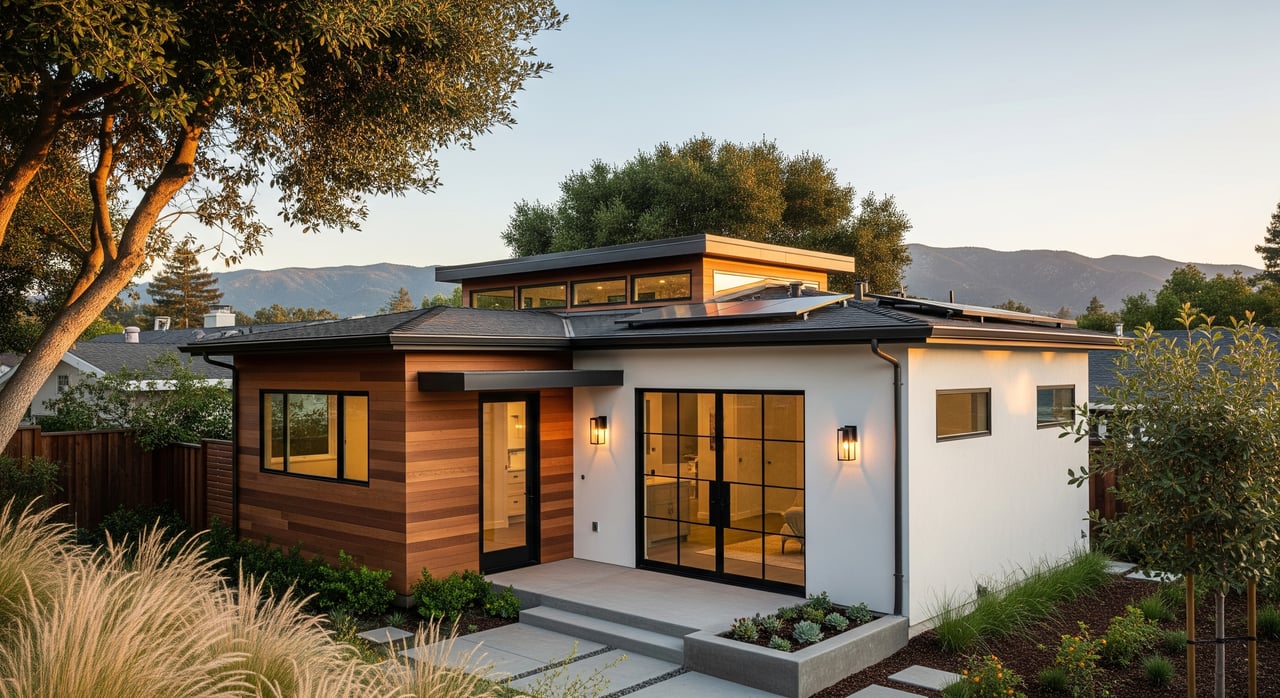
An accessory dwelling unit is a smaller, independent living space on the same lot as your primary home. You can build it as a detached unit, attach it to your house, or convert existing space like a garage or part of the main home. Junior ADUs (JADUs) are compact conversions that use part of the existing home with an efficiency kitchen. Each option has different plan requirements, costs, and review timelines.
California law standardizes many ADU rules so cities process them without discretionary design review. Your application is reviewed against objective standards only. Once your submission is deemed complete, state law also sets decision timelines for the city.
State rules set broad size and fee guidelines. Detached ADUs are commonly allowed up to about 1,200 square feet under state defaults, though local caps can differ. State law also limits some parking requirements and reduces certain impact or connection fees for smaller ADUs, depending on size and local implementation.
Cupertino allows ADUs in most residential zones, but you should confirm your parcel’s zoning and any special overlays or HOA covenants. The city uses objective standards for setbacks, heights, and lot coverage. These can differ from the state’s default limits.
Some properties may have added considerations, such as historic status or specific neighborhood overlays. Cupertino also implements state allowances for multiple ADUs and JADUs in certain cases. Always verify the current standards and allowances with city planning before you design or hire a contractor.
Picking the right type early can save you time and money. Your site layout, utilities, budget, and intended use will guide you toward a conversion, an attached unit, or a detached cottage.
Converting existing space can be the fastest path to a permit because you are working within an existing structure. Garage conversions often do not require replacement parking under state law. JADUs are smaller, use part of the existing home, and can be practical for multigenerational living or a home office with its own entry.
An attached ADU adds square footage to the main home. A detached ADU can offer more privacy and flexibility. Detached cottages often target the upper end of what is allowed on size, but they may require more site work, new foundation, and separate utility planning.
Cupertino follows a ministerial review process, which means your plans are checked for code and objective standards only. Here is how a typical path looks from research to final inspection.
Timelines vary by project complexity, staffing, and submittal quality. Garage or conversion ADUs can sometimes move from application to permit in 2 to 4 months in straightforward cases. New attached or detached builds commonly take 3 to 9 months for plan review and revisions, with construction adding another 3 to 9 months. Projects with complex site work or utility upgrades can extend to 12 months or more. Confirm current Cupertino processing times at intake.
ADUs touch more than just planning rules. Parking, utility capacity, and fees can drive both design and budget. Address these early.
State rules limit parking requirements in several situations. When you convert an existing garage to an ADU, cities generally cannot require replacement parking. Depending on your ADU type, size, and proximity to transit, some local parking requirements might still apply. Confirm driveway, curb cut, frontage, and any street parking restrictions before finalizing your layout.
Identify your water and sewer provider early to confirm whether a new connection or capacity fee is required. Many Cupertino parcels are served by regional sanitary districts. Separate meters are sometimes optional, but your provider’s policy controls whether one shared meter or separate meters are allowed. Coordinate with the electric utility for panel upgrades, subpanels, or a new meter if needed, and plan for telecom and internet runs during design.
Expect planning and building permit fees, along with possible utility connection and school or park impact fees. State law reduces or limits certain impact fees for smaller ADUs, often below a specific square footage threshold. Ask for an itemized fee estimate from the city to set a realistic budget.
Your ADU must meet California Building Code and California Residential Code. Energy compliance under Title 24 is required, and CALGreen sets green building standards. Fire review may govern egress windows, clearances, address numbers, and sprinkler triggers based on building height or location. Design your unit with code in mind from day one to avoid costly revisions.
Cupertino homeowners often build ADUs for multigenerational living, long-term rental income, or flexible guest and workspace. Rental use must follow state and local landlord-tenant rules. Short-term rentals are regulated separately from ADU permits, and you should verify any business license or registration requirements before hosting.
State law has adjusted owner-occupancy rules in recent years, limiting when cities can require it. Local rental registration and transient occupancy taxes can also apply, depending on use. Confirm the current rules with the city so your use matches your permit and local codes.
Building an ADU in Cupertino is very doable when you follow a clear process. Start with zoning and site constraints, plan for utilities and fees early, and submit a complete package that aligns with state and local standards. With the right scope and team, you can add flexible space for family or generate rental income while strengthening your property’s value.
If you want a local perspective on how an ADU could impact resale, timing, and buyer appeal in the South Bay, reach out. We bring hands-on project experience and market insight to help you plan smart next steps. Schedule a Free Home Strategy Call with Tim Alford to discuss your goals.
Stay up to date on the latest real estate trends.
Get assistance in determining current property value, crafting a competitive offer, writing and negotiating a contract, and much more. Contact me today.