Pleasanton Relocation Guide for South Bay Workers
Thinking about a move to Pleasanton but work in the South Bay? You are not alone. Many Silicon Valley professionals eye Pleasanton for its small‑town Main Street, open space, and larger lots, then pause at the commute question. In this guide, you will see what everyday life in Pleasanton looks like, how the South Bay commute really works, and how housing options compare so you can decide with confidence. Let’s dive in.
Downtown Pleasanton centers on Main Street, a historic, walkable strip with independent restaurants, coffee spots, and a steady calendar of community events. The city promotes it as a gathering place, which matches how residents use it for weekday meetups and weekend strolls. You will also find larger, car‑oriented hubs like Stoneridge Shopping Center and Hacienda Business Park for errands and daily needs. For dining and visitor context, explore the city’s page on historic downtown Pleasanton.
If you like to hike or trail run after work, Pleasanton Ridge Regional Park is a short drive from downtown and offers oak‑dotted slopes, multi‑use trails, and big ridgetop views. It is a go‑to for quick evening loops and longer weekend outings. Get a feel for the terrain and trailheads on the East Bay Regional Park District page for Pleasanton Ridge.
For warm‑weather days, Shadow Cliffs Regional Recreation Area brings a swim beach, picnic spots, and fishing close to town. It is another easy, local escape that families and day visitors use regularly. See details, seasonal lifeguards, and amenities on the EBRPD page for Shadow Cliffs.
The direct highway route to San Jose and Santa Clara is I‑680 south. In light traffic, some trip calculators show Pleasanton to downtown San Jose in roughly 30 to 35 minutes, which matches the general off‑peak feel. In peak periods or with incidents, expect that to stretch toward an hour or more, especially over the Sunol Grade. For a quick check, see a sample estimate on Travelmath’s Pleasanton to San Jose driving time and read corridor context, HOT lanes, and history on I‑680.
Express or HOT lanes with FasTrak operate on parts of I‑680 and can help manage delay depending on conditions and cost. For background on how Bay Area express lanes work, review the Metropolitan Transportation Commission’s overview of Bay Area express lanes.
Caltrain gives many Peninsula and core Silicon Valley towns direct, all‑day rail service that lines up with major employers. That level of frequency and one‑seat access is a strong reason some commuters choose to live along the corridor. For a quick orientation to stations and coverage, browse Caltrain station info.
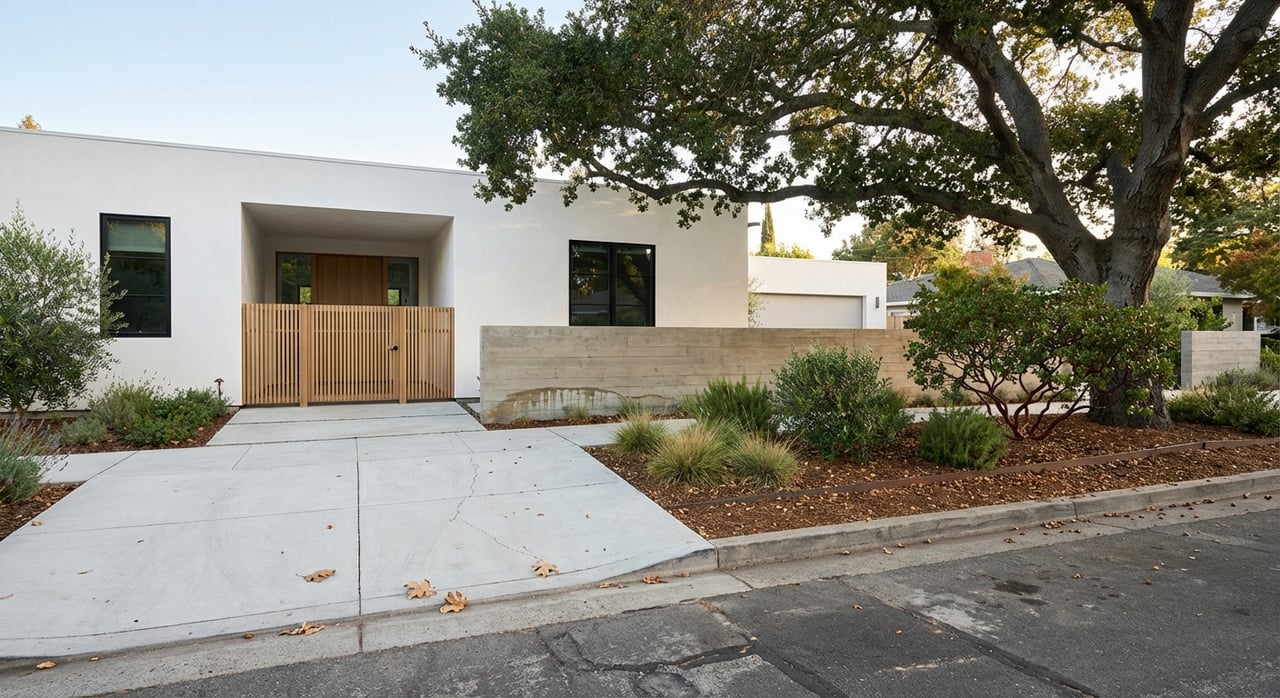
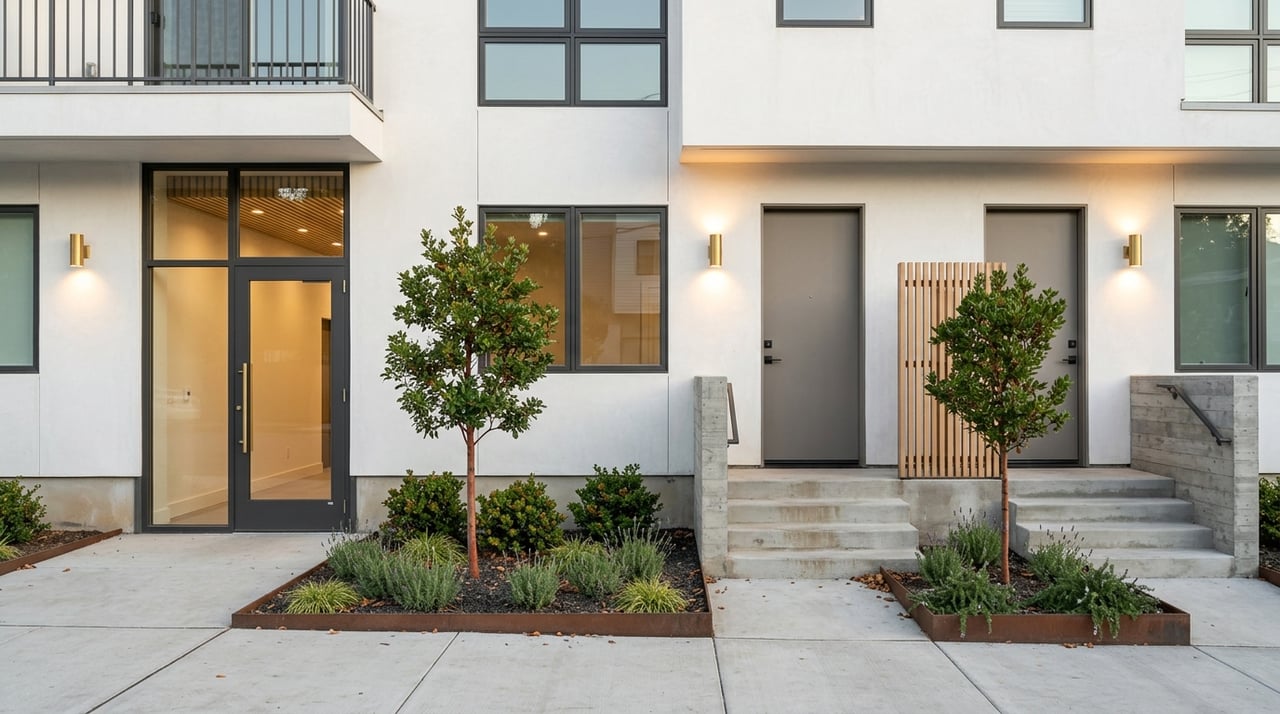
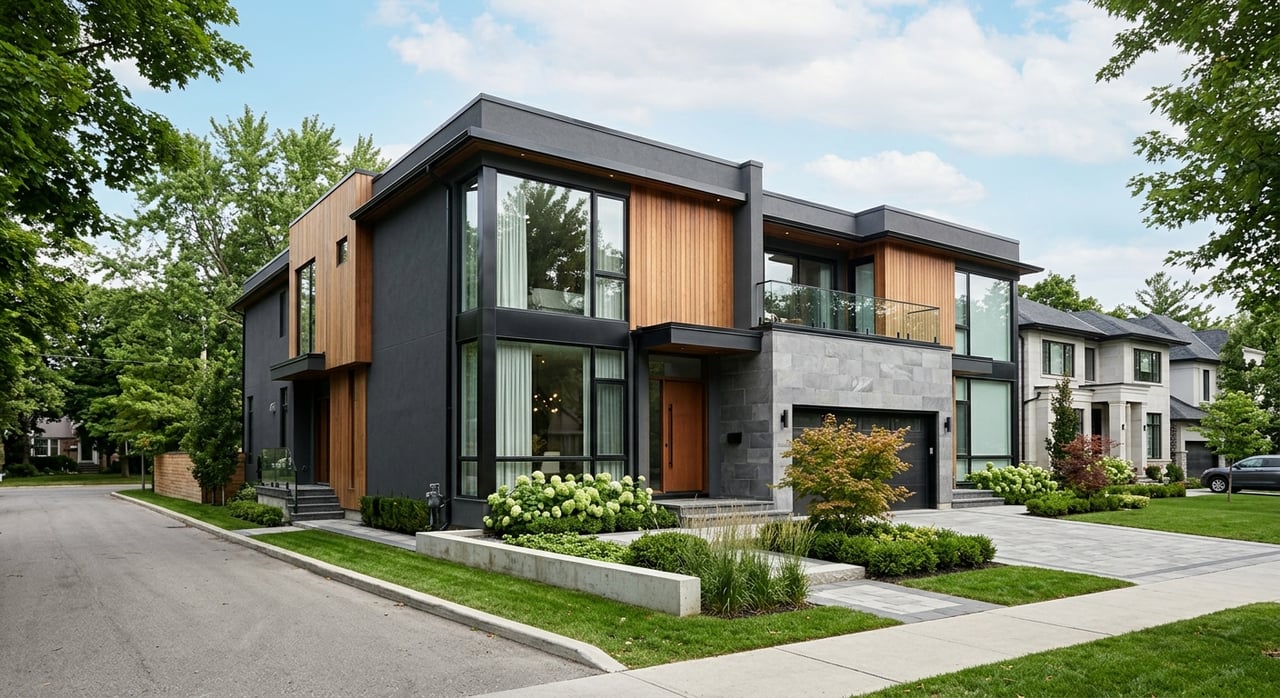
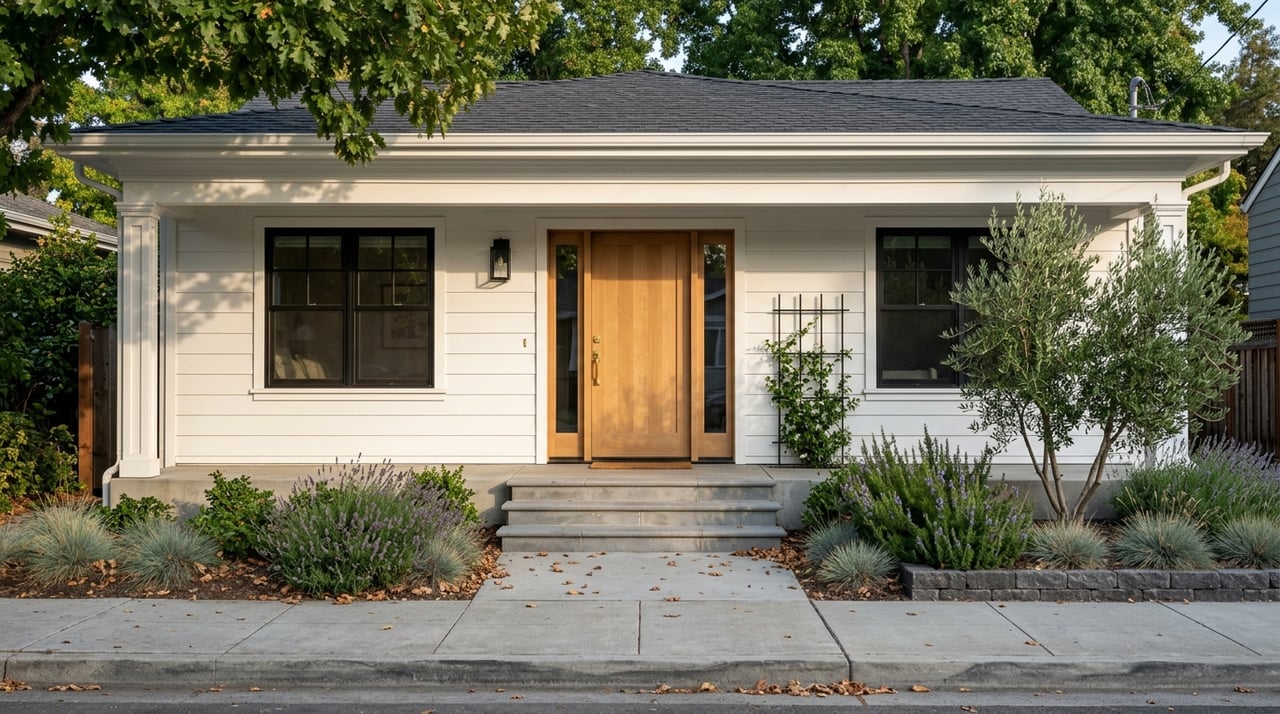
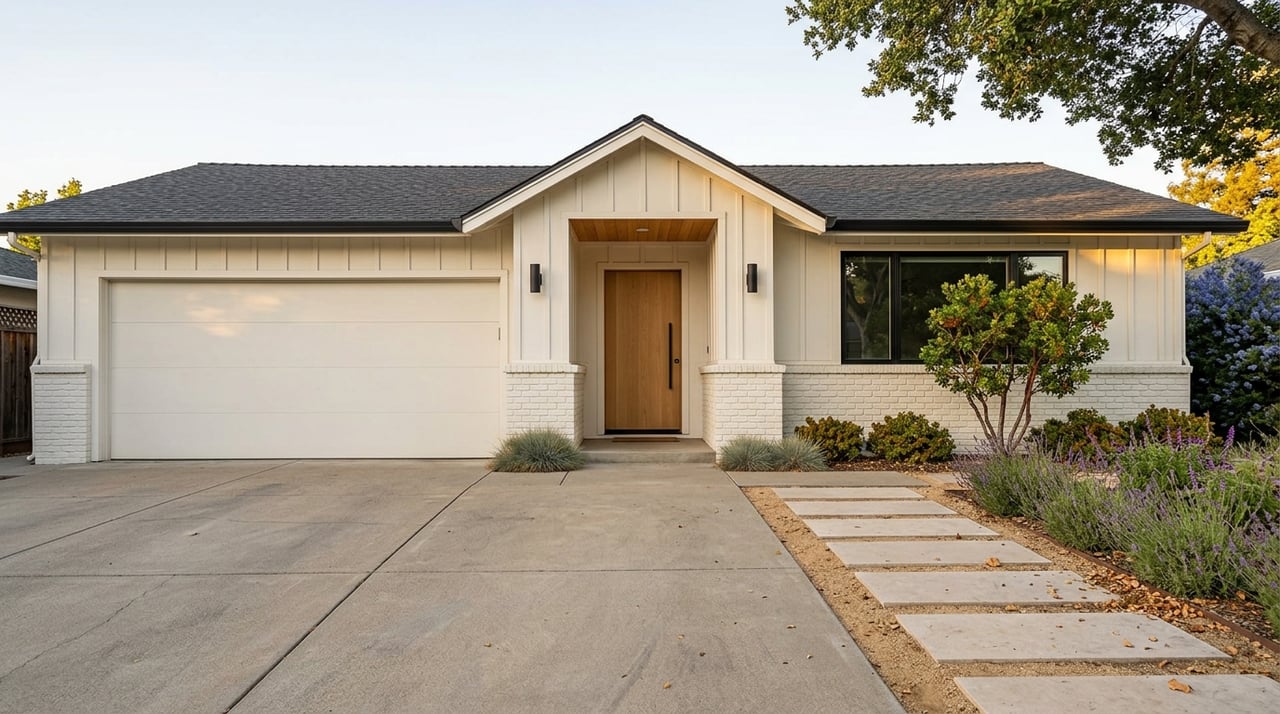
Pleasanton leans suburban with a large share of single‑family homes, including older subdivisions, planned communities, and higher‑end enclaves like Ruby Hill. You will also see more recent townhome and condo infill, including projects near Hacienda and West Los Positas. Compared with many Peninsula neighborhoods, Pleasanton often offers larger lots and more private outdoor space. Citywide prices sit in the low to mid seven figures, while some Peninsula cities remain materially higher on a median basis. Neighborhoods such as Downtown, Vintage Hills, Hacienda area communities, and Ruby Hill show a wide range of styles and price points.
Pleasanton is a strong match if you want a walkable historic Main Street, quick trail access, and a bit more space at home. It also fits if your work hours align with ACE’s peak schedule or you can shift your drive to off‑peak windows. If you need fast, frequent rail directly to South Bay employers each day, or your schedule changes often, a Peninsula location on Caltrain may save time and stress.
Pleasanton trades a shorter South Bay commute for more space, a true small‑town Main Street, and fast access to ridge and lake parks. If your schedule is flexible or you can plan around ACE, the mix can be compelling. If you need frequent, direct rail to core South Bay employers, staying on the Caltrain corridor may keep your days simpler. Not sure which path fits you best? Let’s compare neighborhoods, test commutes, and run the numbers together.
Ready to explore Pleasanton or weigh it against your South Bay options? Connect with Tim Alford for a brief strategy call and a custom relocation plan.
Stay up to date on the latest real estate trends.

Get assistance in determining current property value, crafting a competitive offer, writing and negotiating a contract, and much more. Contact me today.