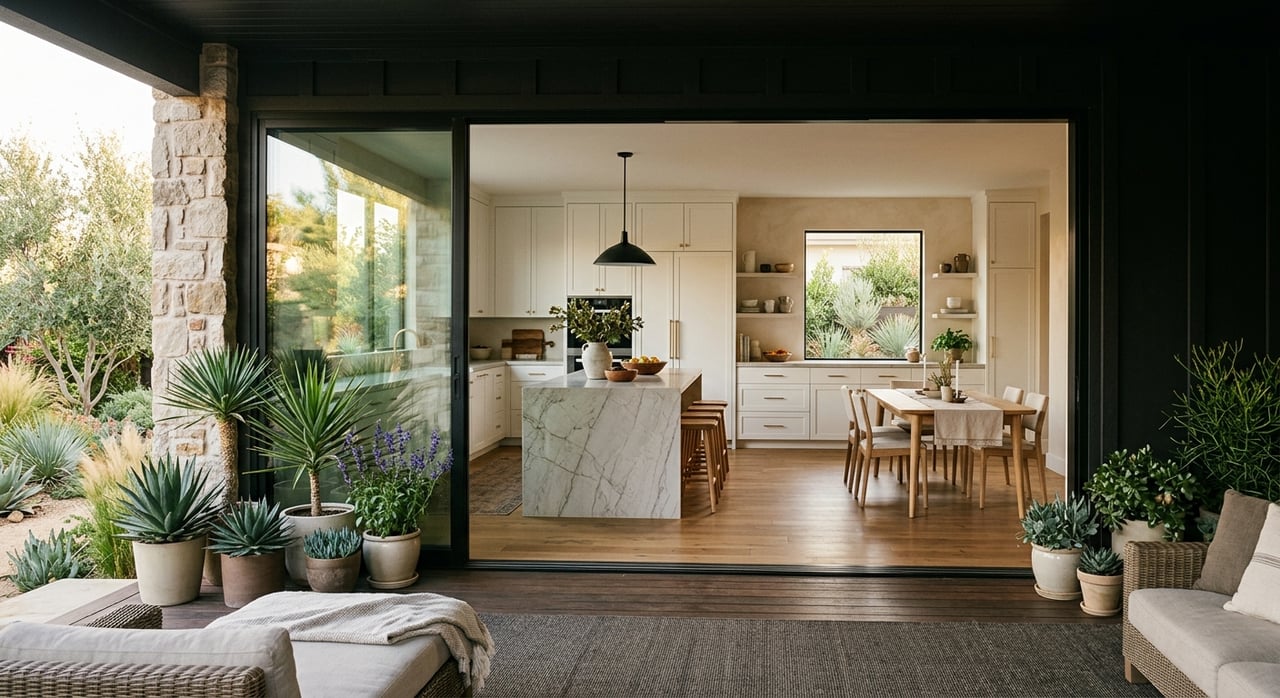
San Jose Housing Market Trends for Move-Up Buyers in 2026
If you own a condo or townhome in San Jose and hope to move up to a single-family home, you are probably asking the same question many buyers are asking right now: Is this the right market to make the jump? The short answer is yes, but the path takes planning. Today’s San Jose market gives move-up buyers a mix of opportunity and pressure, and understanding both can help you make smarter decisions with less stress. Let’s dive in.
San Jose is still one of the most expensive housing markets in the region, but it is no longer moving with the same all-out frenzy many buyers remember. Zillow’s San Jose home value index was $1,463,614 on March 31, 2026, which was down 2.5% year over year. At the same time, there were 1,128 homes for sale, and the median time to pending was 11 days.
Redfin’s March 2026 data tells a slightly different but still useful story. It showed a median sale price of $1.489 million, up 0.6% year over year, with homes selling in about 10 days and receiving an average of 3 offers. Those differences do not mean the data conflicts. They reflect different ways of measuring the market, which is important to keep in mind as you evaluate timing.
If you are moving up, you are not shopping in just one market. You are selling in one segment and buying in another. In San Jose right now, those two segments are behaving differently.
For many move-up households, the current home is often a condo or townhome, while the next home is a single-family house. That gap matters because condo and townhome sellers are seeing more inventory and longer selling times, while single-family buyers are still facing tighter supply and stronger competition.
In April 2026, San Jose condo and townhome activity showed a market that had loosened compared with a year ago. SCCAOR reported 278 new listings, 505 active listings, and 137 closed sales. The average days on market was 34, and the median sale price was $898,000.
Compared with April 2025, inventory in this segment rose 26.9%, closed sales fell 14.4%, and average days on market increased by 14 days. A rough inventory-to-sales snapshot puts this segment near 3.7 months of supply, up from about 2.5 months a year earlier. In plain English, you may have more competition when selling a condo or townhome than you did last year.
That does not mean your home will not sell. It means pricing, presentation, and preparation matter even more. Desirable homes can still move, but buyers have more options and may take more time to choose.
The single-family side of the market remains much tighter. In April 2026, San Jose single-family homes had 602 new listings, 589 active listings, and 412 closed sales. The average days on market was 16, and the median sale price was $1.70 million.
Compared with the same month last year, inventory was up only 4.4%, closed sales were up 2.2%, and days on market increased by 3 days. The median price was down 2.9%, but the rough inventory-to-sales ratio stayed near 1.4 months. Homes in this segment also sold at about 105% of list price.
That is the key pressure point for move-up buyers. Your current home may take longer to sell, while the home you want may still attract quick interest and strong offers.
The biggest challenge for move-up buyers is often not whether to sell or buy first. It is managing the timing gap between the two. Based on April 2026 MLS trends, that gap appears wider than it was a year ago, especially if you are selling a condo or townhome and buying a single-family home.
This is not a formal forecast, but it is a practical read of the data. The lower-priced segment has built up more inventory, while single-family homes still turn over faster. That means you may need a more careful plan for when to list, when to shop, and how to structure contingencies.
Even in an active market, buyers have become more selective. Redfin reported that in March 2026, 29.5% of San Jose homes had price drops, while 65.2% sold above list price. Countywide in Santa Clara County, the sale-to-list ratio was 104.9%, and 27.0% of homes had price drops.
That combination tells you something important. Well-prepared, well-priced homes are still getting strong results, but the market is less forgiving when a home misses the mark. If your sale is part of a move-up strategy, strong execution on your listing can have a direct effect on your next purchase.
If you are selling before buying, your goal is not just to get your home on the market. Your goal is to create a clean, competitive sale that supports your next step. In this market, that usually means focusing on the basics and avoiding guesswork.
Here are a few priorities to keep in mind:
For busy homeowners, this is where hands-on project management can make a real difference. Coordinating repairs, staging, and pre-listing details early can help reduce delays and improve your position when it is time to write an offer on your next home.
On the buy side, speed still matters, especially for well-priced single-family homes. Even though the broader market is more balanced than it was during the most intense periods, desirable homes can still draw strong interest quickly.
That means your buying plan should be clear before you start touring homes. You want to know your budget, your likely timing, your comfort with contingencies, and which property issues need closer review. For move-up buyers, confidence often comes from understanding not just the home itself, but also the work it may need after closing.
Every move-up plan is different, but a practical framework can help you stay grounded. In this market, many buyers benefit from thinking in stages instead of trying to solve everything at once.
Start with a realistic view of what your current home may sell for and how long it may take. This is especially important if you own a condo or townhome, where inventory has expanded and marketing time has increased.
Know what kind of single-family home you are targeting and where pricing sits in that segment. In San Jose, the median single-family sale price reached $1.70 million in April 2026, so your target price range should reflect current conditions, not older assumptions.
Map out your ideal timeline and your backup timeline. Since your current home and your next home may move at different speeds, this step can help you avoid rushed decisions.
Single-family inventory is still tight, and homes are selling at about 105% of list price on average. If the right house comes up, you may need to act quickly with a well-prepared offer strategy.
Some homes will move fast. Others may need price adjustments. A flexible mindset can help you respond to what the market is actually doing, not what headlines suggest.
If you are also looking beyond San Jose, nearby Santa Clara offers a useful comparison point. Redfin’s March 2026 data showed a median sale price of $1.624 million, about 9 days on market, and an average of 5 offers per home. The sale-to-list ratio was 105.8%, even though the year-over-year price change was down 9.76%.
That is another reminder that headline price changes do not tell the whole story. A market can show softer year-over-year pricing and still remain very competitive for attractive homes.
San Jose’s 2026 market gives move-up buyers both opportunity and complexity. If you are selling a condo or townhome, you may have more competition and a longer runway to sale than you would have had last year. If you are buying a single-family home, you are still stepping into a tighter segment where good homes can move fast.
The good news is that this is a market where planning can create an advantage. When you combine realistic pricing, strong preparation, and a clear buy-side strategy, you can reduce stress and improve your odds of making a smooth move.
If you are thinking about upsizing in San Jose or nearby South Bay communities, Tim Alford can help you map out your sale, your purchase, and the timing between them with a practical, hands-on strategy.
Stay up to date on the latest real estate trends.
Get assistance in determining current property value, crafting a competitive offer, writing and negotiating a contract, and much more. Contact me today.