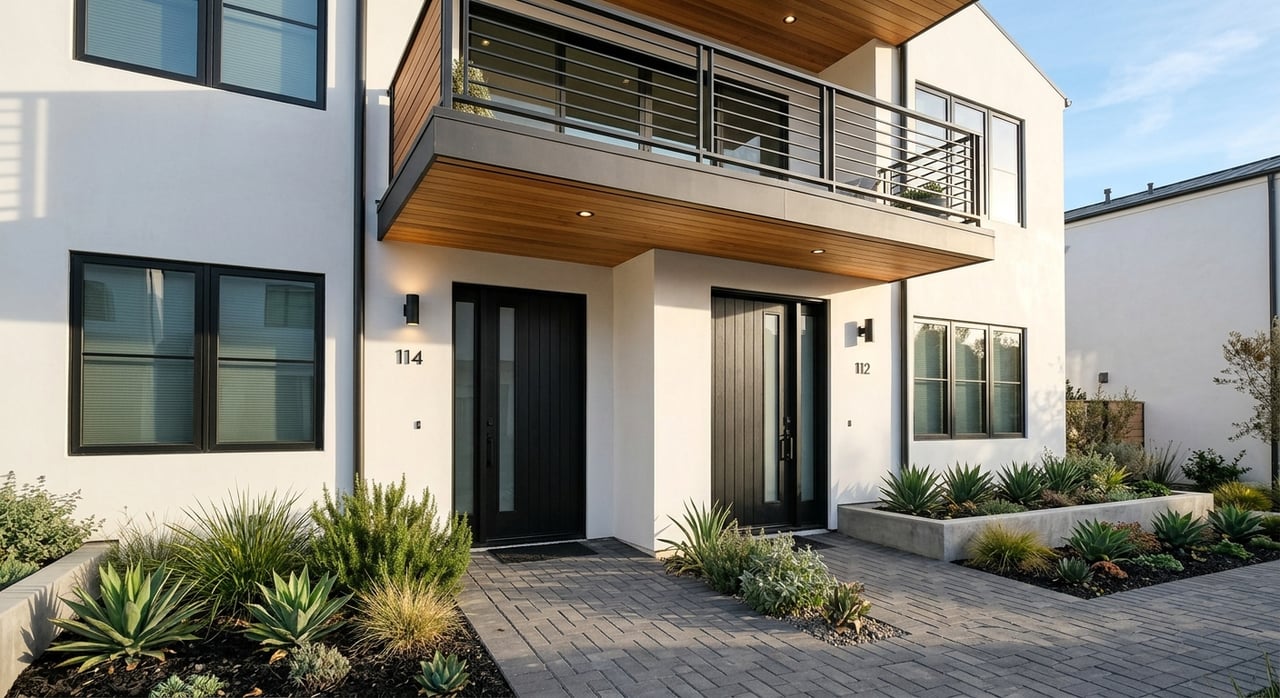
Santa Clara Condo vs. House: Which Fits You Best?
Trying to choose between a condo and a house in Santa Clara? You are not alone. In a market where prices are high, homes move quickly, and buyers often compete with multiple offers, the right choice is not always the biggest home you can stretch into. The better question is which property type fits your budget, lifestyle, and long-term plans. Let’s break it down.
In Santa Clara, the difference between a condo and a house is significant. February 2026 data from the Santa Clara County Association of Realtors showed a median sold price of $2,065,000 for single-family homes, compared with $1,100,000 for condo and townhome properties.
That gap makes attached homes a much more realistic entry point for many buyers. It also means a detached house usually asks you to trade a higher monthly cost for more privacy, more control, and often more space.
Santa Clara remains a seller’s market. In March 2026, Redfin reported a citywide median sale price of $1,624,400, median days on market of about 9, and roughly four offers per home on average.
That pace can affect your decision. If you are comparing property types, it helps to know that single-family homes and condos may not move the same way. Local February 2026 data showed average days on market of 12 for single-family homes and 53 for condos and townhomes.
In plain terms, detached homes often move faster and sell at a stronger premium. Condos and townhomes can give you more room to evaluate options without the same speed pressure.
A lower purchase price does not always mean lower ownership stress. When you compare a condo and a house in Santa Clara, focus on the full monthly cost.
That includes:
Santa Clara County’s general tax levy is limited to 1% of assessed value, with voter-approved bonds added on top. Property taxes are a major line item either way, so they should be part of your math from day one.
For condos and many townhomes, HOA dues are usually paid directly to the association. California guidance also makes clear that HOA budgets may include regular assessments, reserves, and in some cases special assessments for larger repairs or unexpected costs.
That means HOA dues are not just another bill. They are part of how the community plans for maintenance, repairs, and financial stability.
Your monthly cost can also change based on the type of home you buy. Santa Clara utility schedules show different billing structures for single-family homes, multifamily properties, and some townhome setups.
For example, the city’s proposed 2026-2027 sewer rates are lower for multifamily than for single-family residences. The city’s solid-waste schedule also varies by housing type.
You do not need to memorize every utility table. The key takeaway is simple: a detached house and an attached home may carry meaningfully different monthly operating costs, even before you factor in repairs and maintenance.
A condo is often the best fit when your top priority is a lower entry price and less exterior upkeep. In Santa Clara, that lower price point can make a big difference in what is realistic.
Condo ownership usually includes your private unit plus shared ownership in common areas. That setup often means less hands-on exterior maintenance for you, but it also means more shared decision-making through the homeowners association.
If you like a lock-and-leave lifestyle, a condo may check a lot of boxes. If you want fewer rules or more control over the exterior, it may feel limiting.
Before you move forward on a condo, look closely at:
This is one area where strong buyer guidance matters. A unit can look like a good value on paper, but the project’s financial health and documentation can affect both your monthly costs and your financing options.
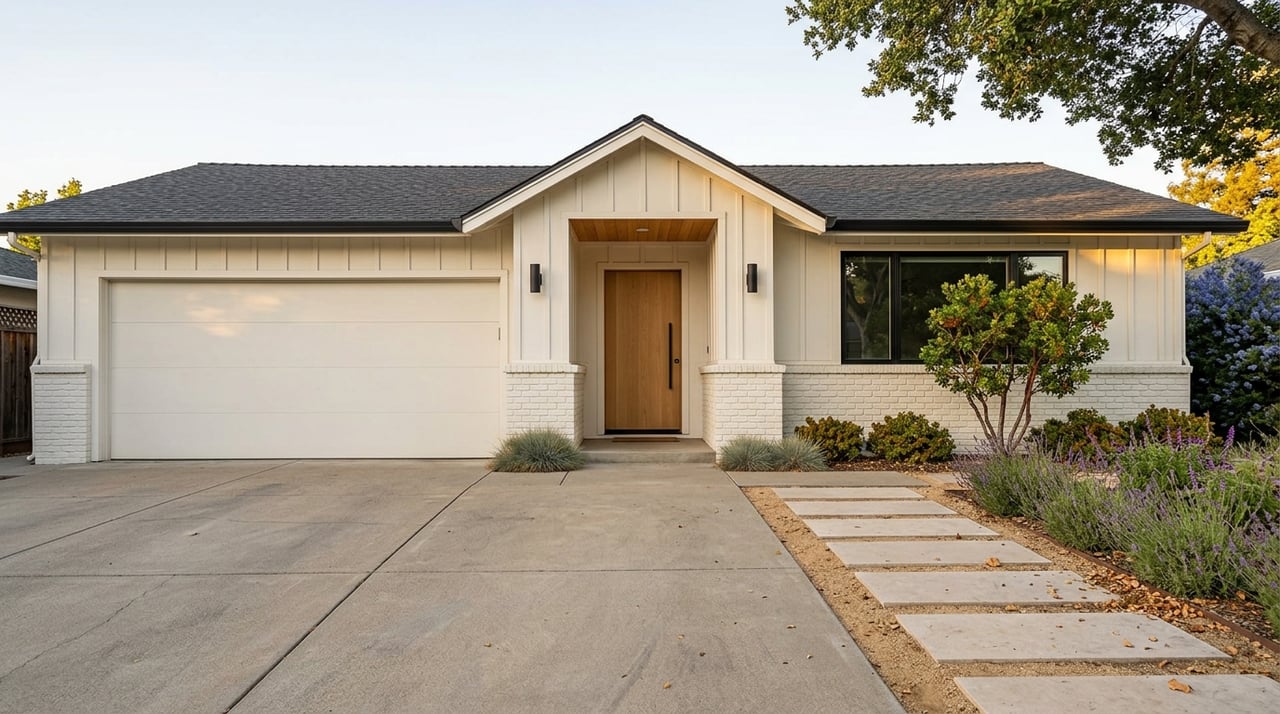
Townhomes often appeal to buyers who want something more house-like than a condo but do not want the full upkeep of a detached home. In Santa Clara, they can be a practical compromise.
That said, not all townhomes work the same way. California guidance notes that a townhome may be structured as a condo or a planned development, and the split between owner maintenance and HOA maintenance can vary widely.
Two townhomes in the same city can come with very different responsibilities. One HOA may cover roofs and siding, while another may put more of that burden on the owner.
If you are considering a townhome, ask:
This extra due diligence can save you from surprises later.
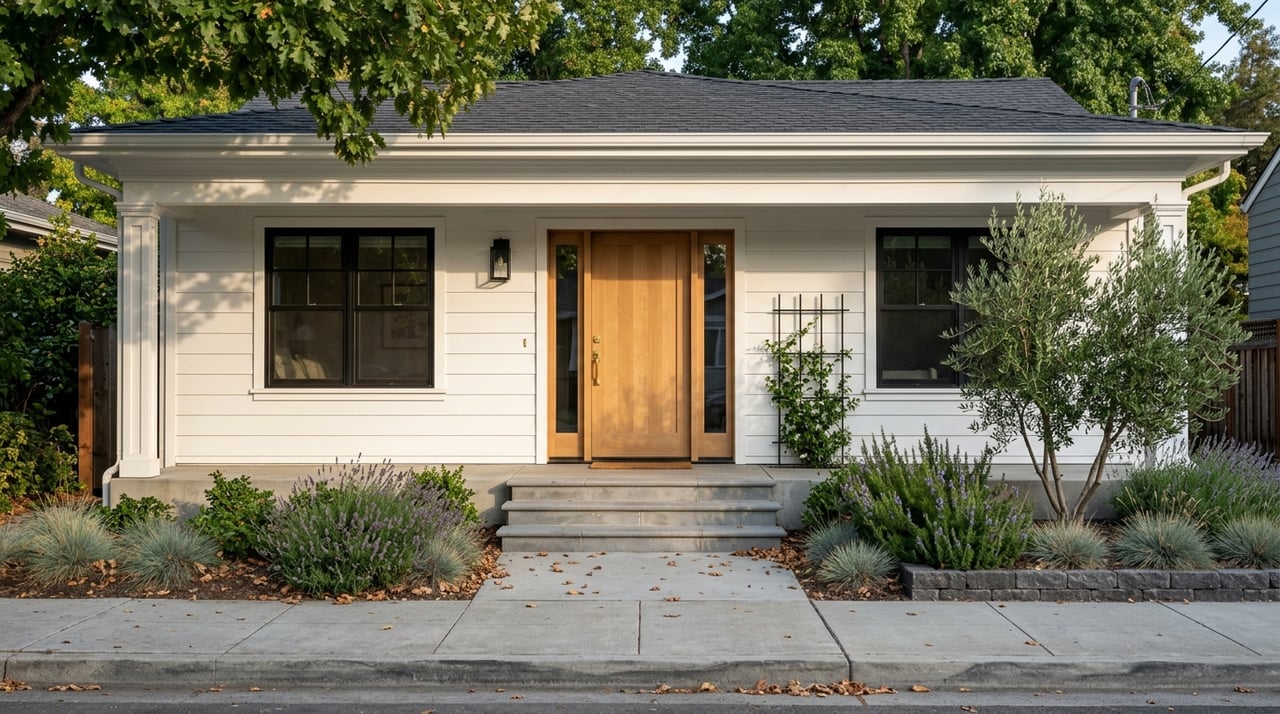
A single-family home is usually the best fit when privacy, lot control, remodeling flexibility, and yard space matter most. In Santa Clara, that added freedom generally comes with a higher price tag.
You are also taking on more direct responsibility. Landscaping, exterior upkeep, roofing, and major repairs usually fall on you unless the home is in an HOA community.
And that last point matters. Buying a house does not automatically mean no HOA. Some single-family homes are still part of common-interest developments with rules and CC&Rs.
Many buyers still prefer detached homes because they value:
In Santa Clara, the market shows buyers are often willing to pay a premium for those benefits.
One practical difference between condos and houses is financing. With a condo, the lender may need to review not only your finances and the unit itself, but also the condominium project.
Project factors such as insurance, reserves, and owner-occupancy can affect loan eligibility. That extra layer does not automatically make condo financing impossible, but it can add complexity.
A detached single-family home usually depends more on the property and the borrower than on a broader project review. That can make financing and future resale a bit more straightforward in some cases.
Your choice should also reflect how you want to live in Santa Clara. The city’s planning work points to continued growth around transit and mixed-use areas, including the Santa Clara Station area, Downtown, and parts of El Camino Real.
For buyers who want lower-maintenance living near transit and walkable mixed-use corridors, condos and townhomes may line up well with that growth pattern. If you want more private outdoor space and a traditional detached setup, a single-family home may still be the better fit even if it costs more.
Neither option is universally better. The right choice depends on how you balance budget, convenience, control, and daily routine.
If you are stuck between a condo and a house in Santa Clara, try this framework.
Before you commit to any property type, have your lender model the full monthly payment. Ask for a realistic estimate that includes taxes, HOA dues, and other recurring costs tied to the specific community.
Then compare current neighborhood comps, not just citywide averages. Santa Clara clearly shows a detached-versus-attached price gap, but the best decision still comes down to the exact home, the exact location, and what matters most to you.
If you want help weighing the tradeoffs, reviewing HOA details, or narrowing the right fit for your budget and goals in Santa Clara, Tim Alford can help you think it through with a practical, local approach.
Stay up to date on the latest real estate trends.
Get assistance in determining current property value, crafting a competitive offer, writing and negotiating a contract, and much more. Contact me today.