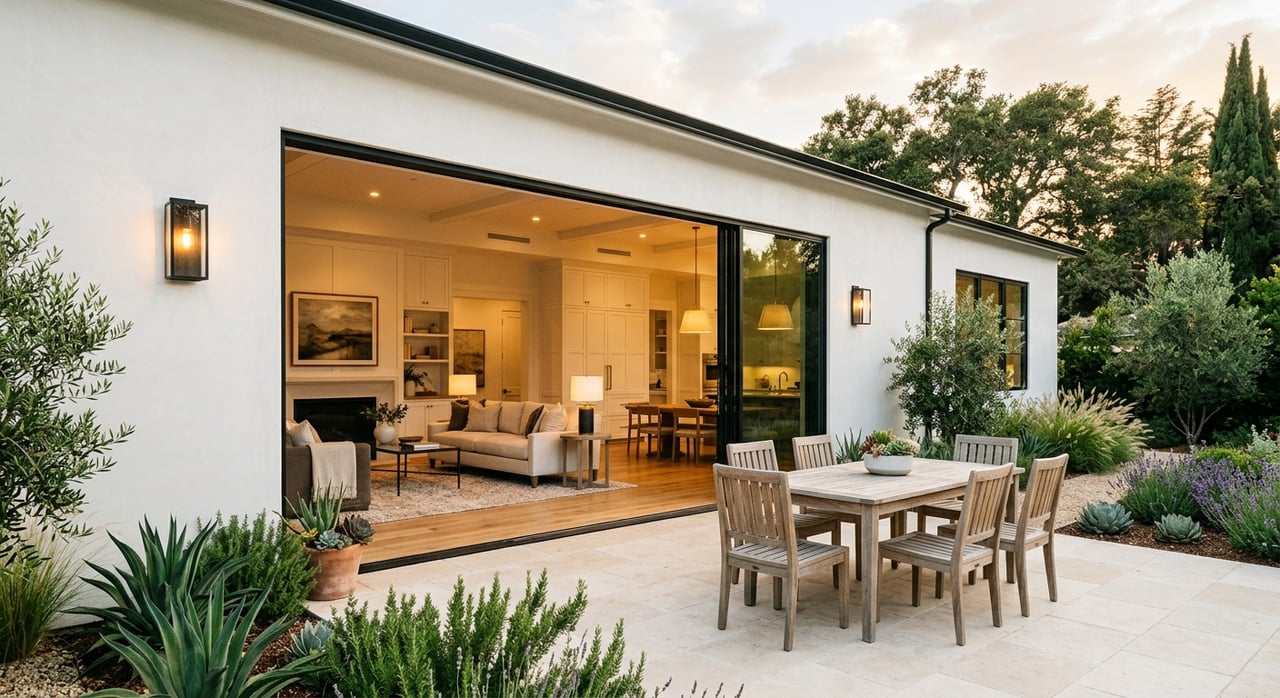
Why Fremont Fits a Silicon Valley Hybrid Lifestyle
Remote work is no longer a temporary perk in Silicon Valley. For many buyers, it is now a daily reality that shapes where and how they want to live. If you are trying to find a home that supports focused work, easier office days, and a better day-to-day rhythm, Fremont deserves a closer look. Let’s dive in.
Fremont already shows many signs of being a practical fit for work-from-home households. Census data cited in the research report shows that 18% of Fremont workers worked at home, while 96.8% of households had a broadband internet subscription. The same data also reports a mean travel time to work of 32.2 minutes, which helps explain why a flexible routine matters here.
That mix creates a useful baseline for buyers. You are not looking at a city that is just starting to adjust to remote work. You are looking at a place where home-based work, strong internet access, and commute tradeoffs are already part of everyday life.
Fremont also has more than one identity. The city describes districts including Downtown/City Center, Warm Springs, Niles, Irvington, Centerville, and Mission San Jose, which gives you a wider range of home and lifestyle options than a one-pattern suburb. That can be helpful if you want your home search to reflect how you actually live and work.
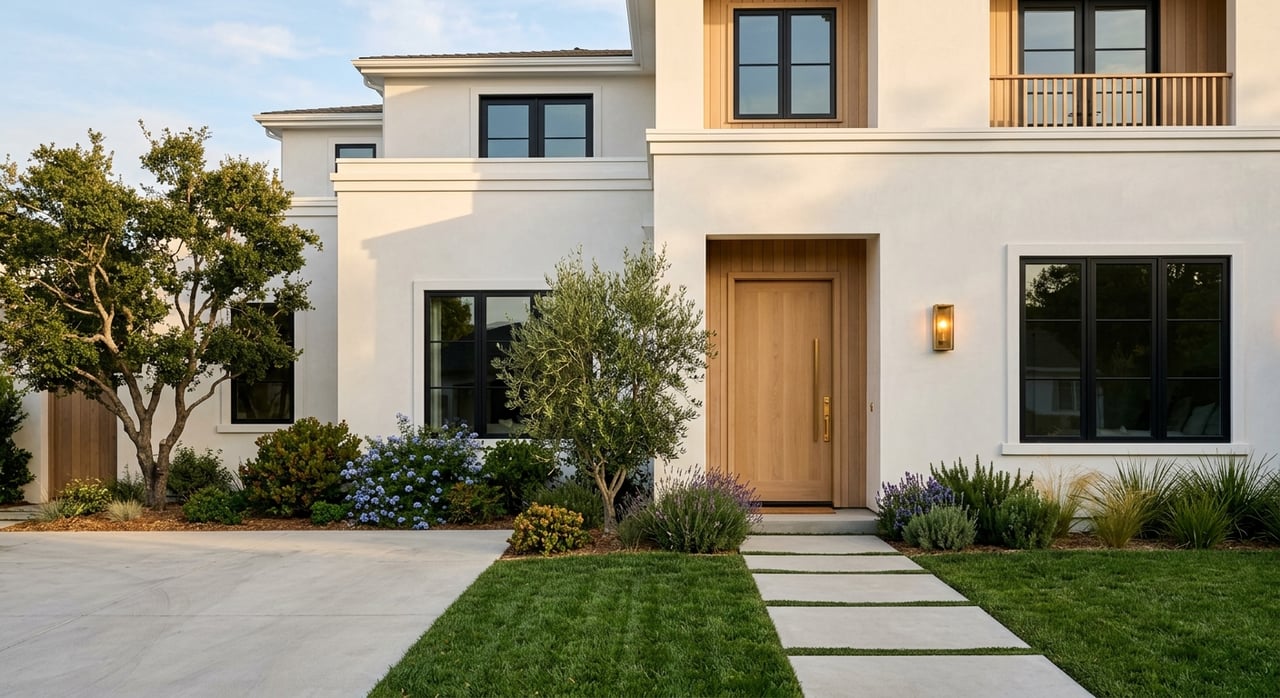
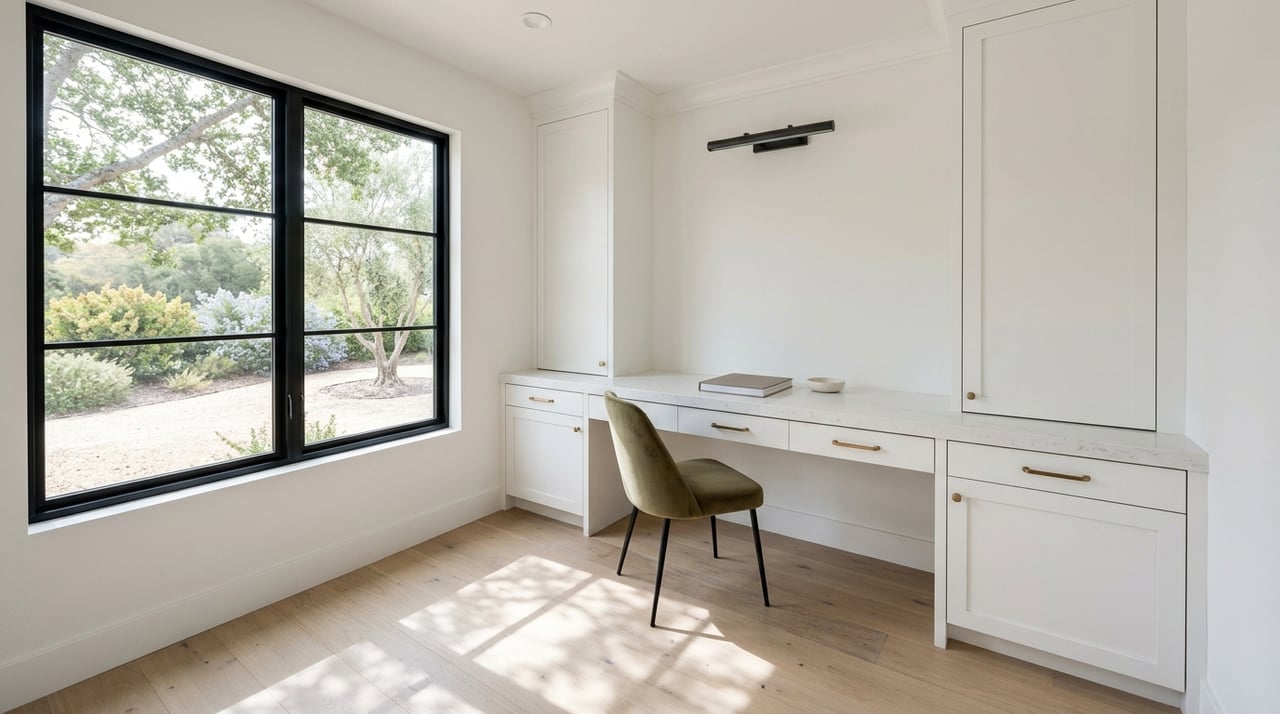
One of Fremont’s biggest advantages for remote and hybrid buyers is its housing mix. Census Reporter shows that 69% of housing structures are single-unit, and QuickFacts reports a 60.8% owner-occupied housing unit rate. In practical terms, that often means more opportunities to find a dedicated office, a flexible spare room, or a bonus area that can absorb work needs.
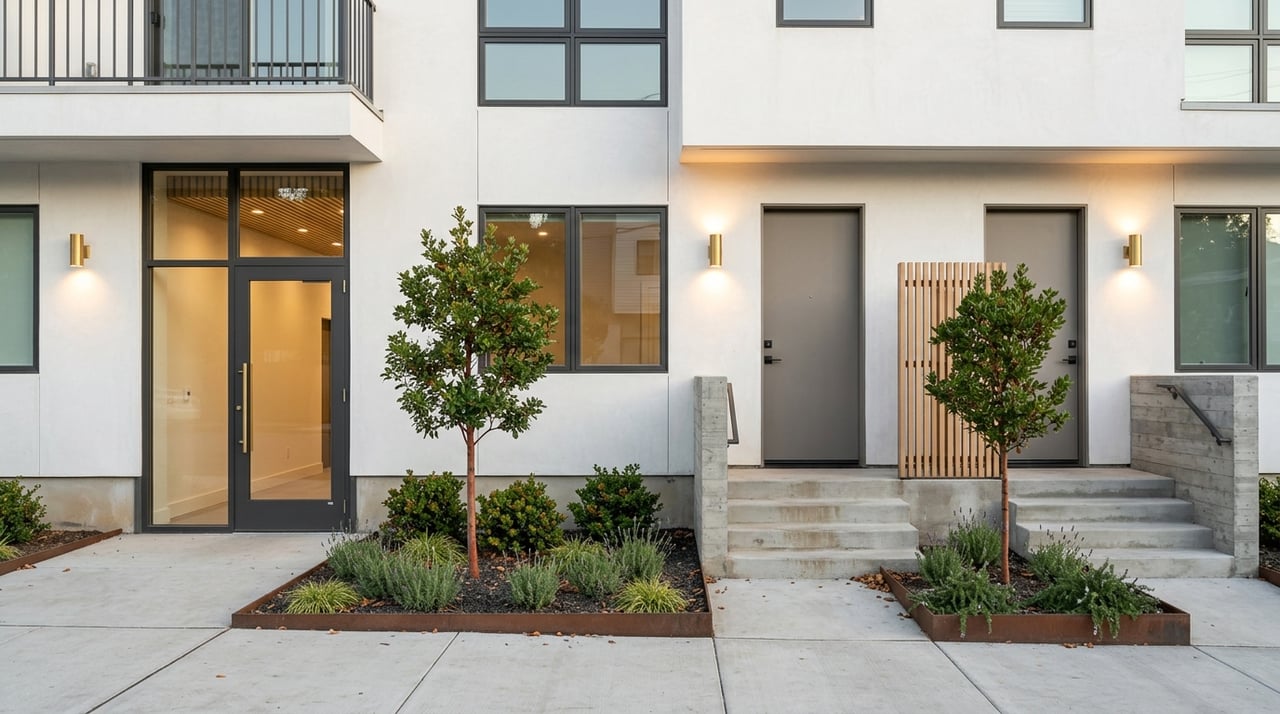
The market is not one-note, though. Fremont’s planning documents describe Niles as a historic, pedestrian-oriented district with single-family subdivisions plus apartment and townhome developments. The same city sources describe Ardenwood as including townhomes, condominiums, garden apartments, and two-family duets.
That variety matters if your priorities are changing. You may want a detached home with enough square footage for two separate Zoom setups, or you may prefer a lower-maintenance property near transit and daily errands. Fremont can support both ends of that conversation.
The city is also planning for growth. Fremont’s Housing Element states that the city must plan for 12,897 new units between 2023 and 2031, including more than 7,000 affordable units, and that 1,133 housing units were permitted in 2022. For buyers, that points to an evolving housing stock rather than a frozen market.
If you want a neighborhood setup that makes remote work feel less isolated, Downtown and City Center stand out. The city describes this area as a 110-acre central gathering hub near Fremont BART, with 15,000 residents and 50,000 employees within a one-mile radius. That concentration can make a big difference if you want your workday to include quick errands, coffee breaks, or casual meetups without a long drive.
The city also notes that Whole Foods, Trader Joe’s, and other retail are within walking distance, with more mixed-use projects underway along Capitol Avenue. For a hybrid buyer, that means your home base can support more than just sleep and screen time. You can build a routine where work, groceries, lunch, and transit all connect more easily.
This kind of convenience often matters more than buyers expect. When your office is at home, the surrounding area becomes part of your work environment too. A neighborhood that helps you break up the day can support both productivity and quality of life.
Warm Springs is another strong match for a Silicon Valley work-from-home lifestyle. The city describes the district as combining manufacturing history with mixed-use transit-oriented development built around the needs of a 21st-century workforce. It also highlights public transportation, coffee spots, residential neighborhoods, open space, and urban energy.
That blend can appeal to buyers who want flexibility. You may spend most days at home, but still want a simple path to office visits, meetings, or regional travel. Warm Springs gives you a framework where transit and neighborhood living are closely linked.
For some households, that balance is the sweet spot. You get a home that supports remote work, but you are not cut off from the wider Bay Area work network when you need to plug back in.
Fremont’s appeal for remote workers is not only about transit and square footage. It is also about having districts with their own feel and rhythm. Niles, for example, is described in city planning documents as a historic, pedestrian-oriented district with a mix of housing types.
That can matter if you want your week to include more than functional convenience. A neighborhood with local identity can make short walks, coffee runs, and midday resets feel more interesting and more human. For many remote workers, that small quality-of-life factor becomes a big one over time.
Other transit-adjacent pockets in Fremont may offer a similar advantage. The city’s district structure makes it easier to think in terms of lifestyle fit instead of treating the entire market as one uniform map.
One challenge of working from home is that the walls can start to feel very close. Fremont has a growing set of places that can help you reset without leaving the city. According to the research report, Cubework offers private offices, hot desks, conference rooms, lounges, and flexible shared workspaces.
There are also café-style options that can support a lighter work session or a break in routine. Hops & Beans says it welcomes people to eat, drink, hang out, host events, or study. Down Thyme Café and Devout Coffee in Niles add more options for stepping away from your desk while staying productive.
These places matter because a good work-from-home lifestyle is rarely about the house alone. It is also about whether you have nearby options for focus, social energy, and a change of scenery.
Remote work tends to blur the line between job time and personal time. That is why access to outdoor space can have real value in your home search. Fremont offers several strong options that make it easier to build movement and fresh air into the day.
Central Park and Lake Elizabeth cover more than 450 acres, with an 80-plus-acre lake and a 2-mile loop trail. The city also notes seasonal pedal boat rentals, which adds another layer to the park’s role as a local reset point. If you want a lunch walk or an after-work decompression routine, this kind of resource matters.
Coyote Hills Regional Park in Fremont spans 1,266 acres and is known for hiking, biking, birdwatching, and picnicking. Mission Peak Regional Preserve remains one of the city’s best-known outdoor destinations, and city trail resources point to routes in the hills, along creeks, and by the Baylands. For buyers who value wellness and balance, these are not just nice extras. They are part of how a neighborhood supports daily life.
Even if you work from home most of the week, commute options still matter. Fremont gives you more than one lane for office days. Fremont Station on BART is served by trains to Berryessa/North San Jose and Daly City, with AC Transit connections.
Warm Springs/South Fremont also adds flexibility. It is the southernmost BART station in Alameda County and has AC Transit service plus VTA bus access. For many hybrid workers, that gives you useful choices depending on where your employer or clients are based.
Road access is part of the picture too. Fremont’s network includes regional access via I-880 and I-680, so you can mix rail and driving depending on the destination. That flexibility can make a big difference when your schedule changes from one day to the next.
If you are considering Fremont for a work-from-home lifestyle, it helps to think beyond the usual bedroom-and-bath count. Start with how your workweek actually functions. Do you need one dedicated office, two work zones, walkable errands, easy BART access, or quick access to outdoor space for breaks?
You should also think about tradeoffs. A larger detached home may give you more room for work and storage, while a newer transit-adjacent home may offer easier commuting and lower day-to-day upkeep. Neither is automatically better. The right answer depends on how you want your home to support both work and life.
This is where a focused home search matters. In a city with several distinct districts and a varied housing mix, the best fit often comes from matching your weekly routine to the right pocket of Fremont, not just searching by price alone.
If you are exploring Fremont as part of a Silicon Valley move or an upsizing plan, the right guidance can help you sort through those tradeoffs with more confidence. Tim Alford can help you evaluate how location, layout, and lifestyle fit together so your next home works as well on Tuesday morning as it does on Saturday afternoon.
Stay up to date on the latest real estate trends.


Get assistance in determining current property value, crafting a competitive offer, writing and negotiating a contract, and much more. Contact me today.