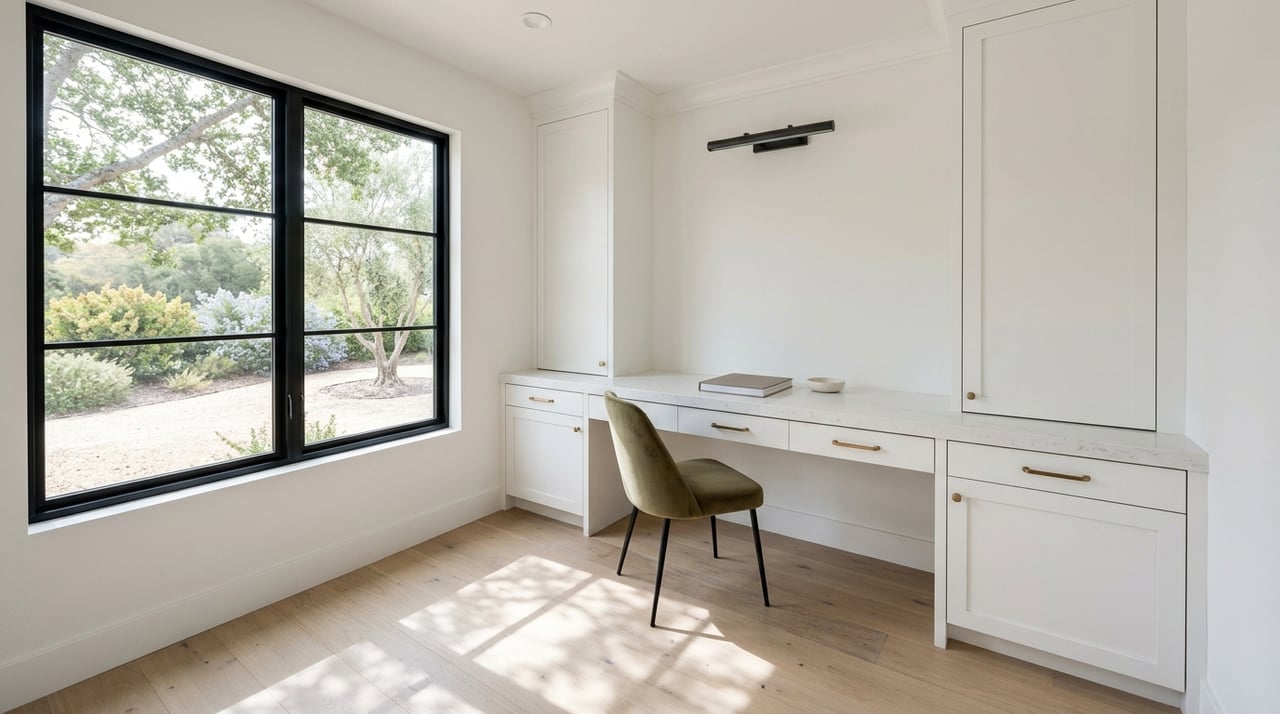
Living in Morgan Hill: What Commuters Should Know
If you work in the Bay Area but want a little more breathing room at the end of the day, Morgan Hill tends to get your attention fast. You may be weighing commute time against space, lifestyle, and the feel of a community that is easier to settle into long term. This guide walks you through what everyday life in Morgan Hill looks like for Bay Area commuters, from housing and transit to weekends and daily routines. Let’s dive in.
Morgan Hill sits in South Silicon Valley, about 10 miles south of San Jose, and that location shapes daily life in a practical way. You stay connected to major job centers while living in a city known for outdoor access, a compact downtown, and a less dense rhythm than many parts of the Bay Area.
The city describes local life as a blend of downtown activity and recreation. In real terms, that can mean grabbing coffee or dinner downtown, then spending free time on trails, at parks, near lakes, or exploring nearby wineries and farms. For many commuters, that balance is the real draw.
Morgan Hill tends to feel more relaxed than denser Silicon Valley cities. Downtown is pedestrian-friendly and home to more than 100 independent businesses, with over 1,000 parking spaces, so daily errands and outings often feel more manageable than in busier urban cores.
That setup creates a lifestyle that is part walkable and part car-friendly. You can enjoy a central downtown for dining, events, and casual meetups, while still relying on straightforward driving for many parts of the day.
For buyers coming from more crowded parts of the Bay Area, this shift can feel meaningful. The pace is still active, but it is often less compressed and easier to navigate.
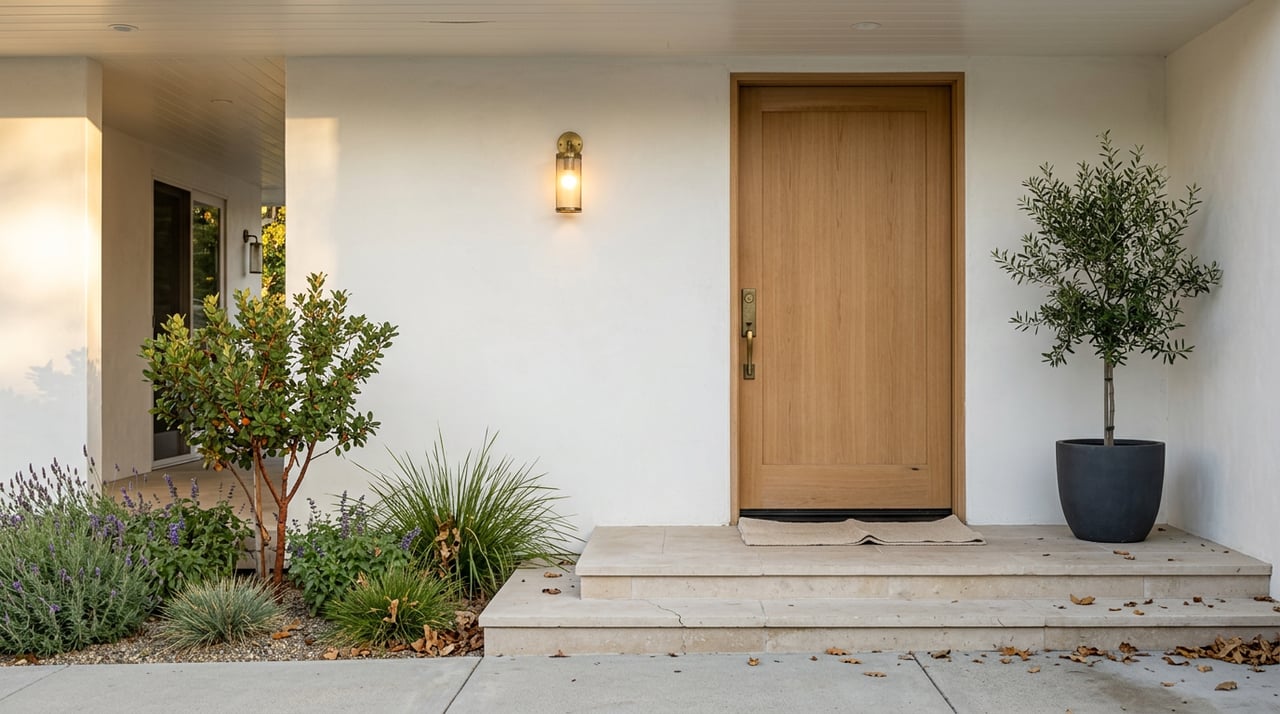
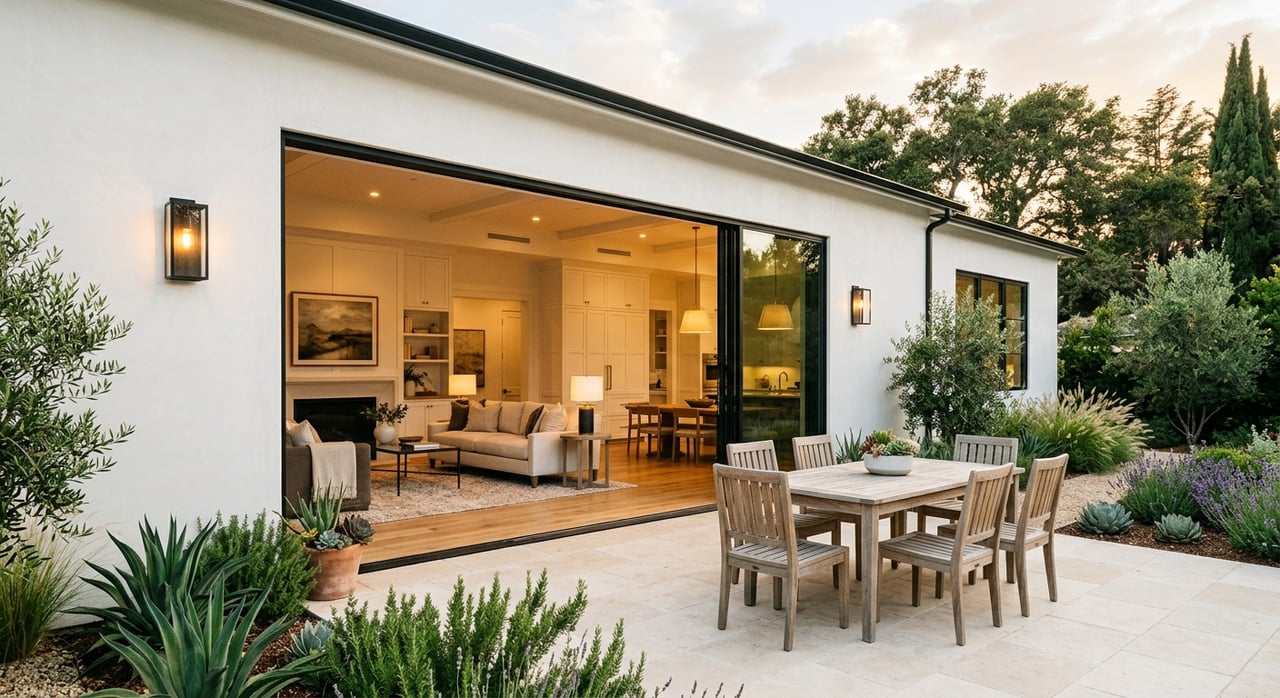
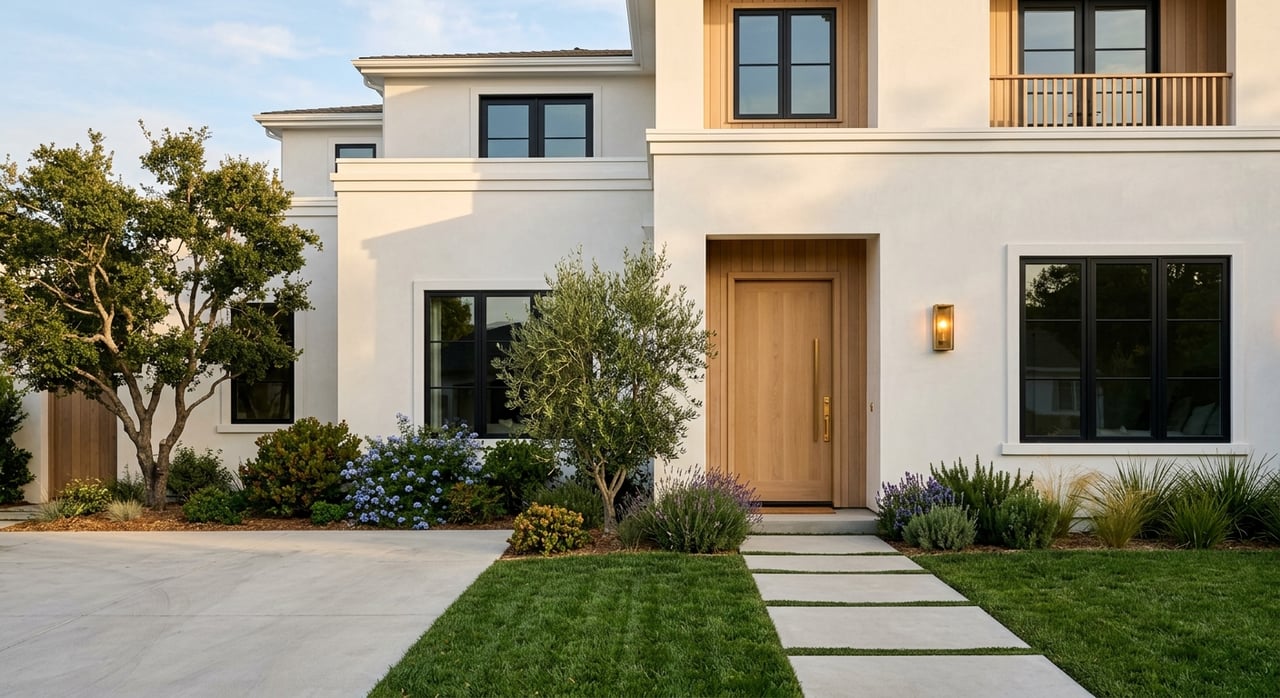
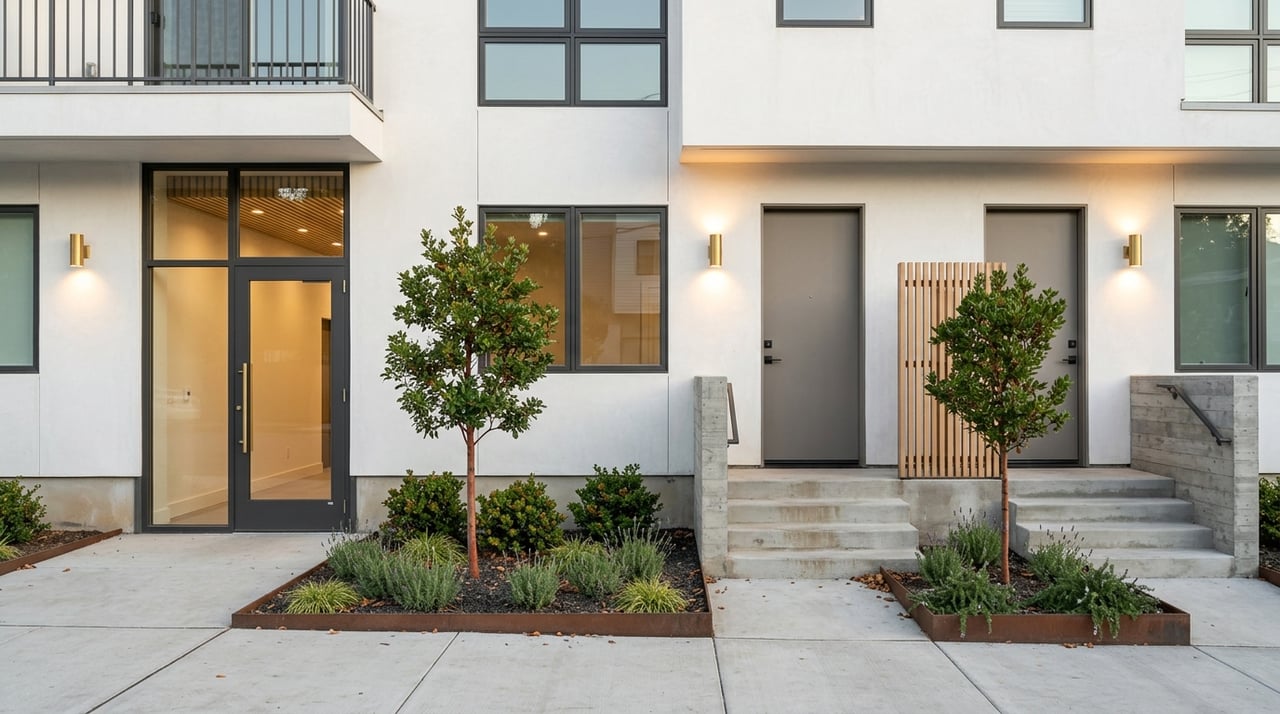
If you are home shopping in Morgan Hill, you are most likely to see a suburban housing mix. According to the city’s housing data, 59.0% of the housing stock is single-family detached, followed by 17.7% single-family attached, 5.5% in 2 to 4 unit multifamily, 9.8% in 5 or more unit multifamily, and 8.0% mobile homes.
That mix matters because it helps set expectations. Morgan Hill is not primarily an apartment-dense market. It reads more as a community of detached homes and move-up opportunities, which is often attractive to buyers looking for more interior space, outdoor space, or a different day-to-day environment.
The city also reports that 74% of homes were built before 2000, with the largest growth in detached single-family homes. For you, that may mean a mix of established neighborhoods, traditional suburban layouts, and homes where updates or personalization could be part of the buying decision.
Current Census profile figures add more context. The owner-occupied rate is 71.5%, the median owner-occupied home value is $1.21 million, and median gross rent is $2,474.
For Bay Area professionals, the biggest practical question is simple: how workable is the commute? In Morgan Hill, commute planning is usually regional, not hyper-local, which means many residents rely on driving, park-and-ride habits, or scheduled transit rather than frequent local service throughout the day.
The city notes that it does not typically provide transportation services directly and instead coordinates regional options from VTA and Caltrain. That is a useful clue about what daily commuting really looks like here.
Morgan Hill is served by the Caltrain South County Connector. Caltrain reports four weekday round-trip trains between San Jose Diridon and Gilroy, with a three-minute cross-platform transfer at Diridon to electric trains heading north on the Peninsula and toward San Francisco.
For commuters headed to San Jose or connecting onward, that can be a practical option if your schedule lines up with train times. It is especially relevant if you want an alternative to driving the full route.
Morgan Hill’s Caltrain station includes 486 parking spaces and six bike racks. That makes park-and-ride and bike-to-train routines more realistic for some households.
VTA Route 68 runs between San Jose Diridon and Gilroy and includes the Downtown Morgan Hill stop at Monterey and 3rd. Route 87 provides local circulation within Morgan Hill between Civic Center and Burnett and other city stops.
These routes can support certain commute patterns and local trips, but the broader takeaway is that transit works best when you plan around schedules. It is not the kind of setup most people would describe as frequent all-day local service.
In everyday terms, San Jose and the South Bay are generally the easiest transit commute from Morgan Hill. Trips to Peninsula job centers and San Francisco are often most practical by Caltrain transfer or by car, depending on where you work and how much flexibility you need.
The Census Bureau’s current profile lists the mean travel time to work at 33.5 minutes. As always, your actual experience will depend on your destination, schedule, and whether you drive, use transit, or combine both.
A good commuter city is not just about getting to work. It is also about what your life feels like when you get home, and Morgan Hill has a clear lifestyle advantage there.
Downtown Morgan Hill is walkable and active, with more than 100 independent businesses. The city highlights concerts, community events, the farmers market, and seasonal festivals as regular parts of local life.
Visit Morgan Hill also describes a mix of independent restaurants, cafés, bars, tasting rooms, public art, and year-round events. If your workweek is busy, having a downtown where you can keep things simple on a weeknight can make a real difference.
Morgan Hill’s outdoor options are a major part of its appeal. The city connects local recreation to cycling, golfing, swimming, boating, trails, lakes, and open space, which gives the area a very different feel from more built-out urban settings.
Community Park is one of the clearest examples of that lifestyle. It includes Magical Bridge Playground, four baseball and softball fields, eight tennis courts, four pickleball courts, basketball, bocce, a skate and BMX park, and a dog park.
Nearby trail and open-space options include Nob Hill Trail, the Coyote Creek Trail, Henry W. Coe State Park, Coyote Valley Open Space Preserve, Anderson Lake County Park, Uvas Canyon County Park, and Mt. Madonna County Park. If you value easy access to outdoor time without planning a major day trip, Morgan Hill offers a strong case.
Another part of everyday life in Morgan Hill is its wine-country identity. The city ties the area to the Santa Clara Valley Wine Trail and notes that visitors can reach dozens of award-winning wineries.
That does not just shape tourism. It also influences the local atmosphere, dining scene, and weekend options. Along with farm-to-table dining and nearby farms, it gives Morgan Hill a lifestyle profile that feels distinct from many other commuter markets in Silicon Valley.
Morgan Hill often works best for buyers who want more space, more outdoor access, and a more relaxed pace while staying connected to South Bay employment centers. It can be especially appealing if you are comfortable with a commute pattern built around driving or scheduled regional transit.
The tradeoff is important to understand clearly. You are choosing a city that offers lifestyle and space, but not the kind of dense, frequent local transit network you may find in more central urban locations.
If that balance matches what you want, Morgan Hill can be a compelling option in South Santa Clara County. For many Bay Area commuters, it offers a practical middle ground between career access and a more comfortable everyday routine.
If you are thinking about a move to Morgan Hill or comparing South Santa Clara County options, talking through commute patterns, housing mix, and neighborhood feel can help you narrow the right fit. Tim Alford offers hands-on guidance for buyers who want clear local insight and a steady, practical approach.
Stay up to date on the latest real estate trends.
Get assistance in determining current property value, crafting a competitive offer, writing and negotiating a contract, and much more. Contact me today.