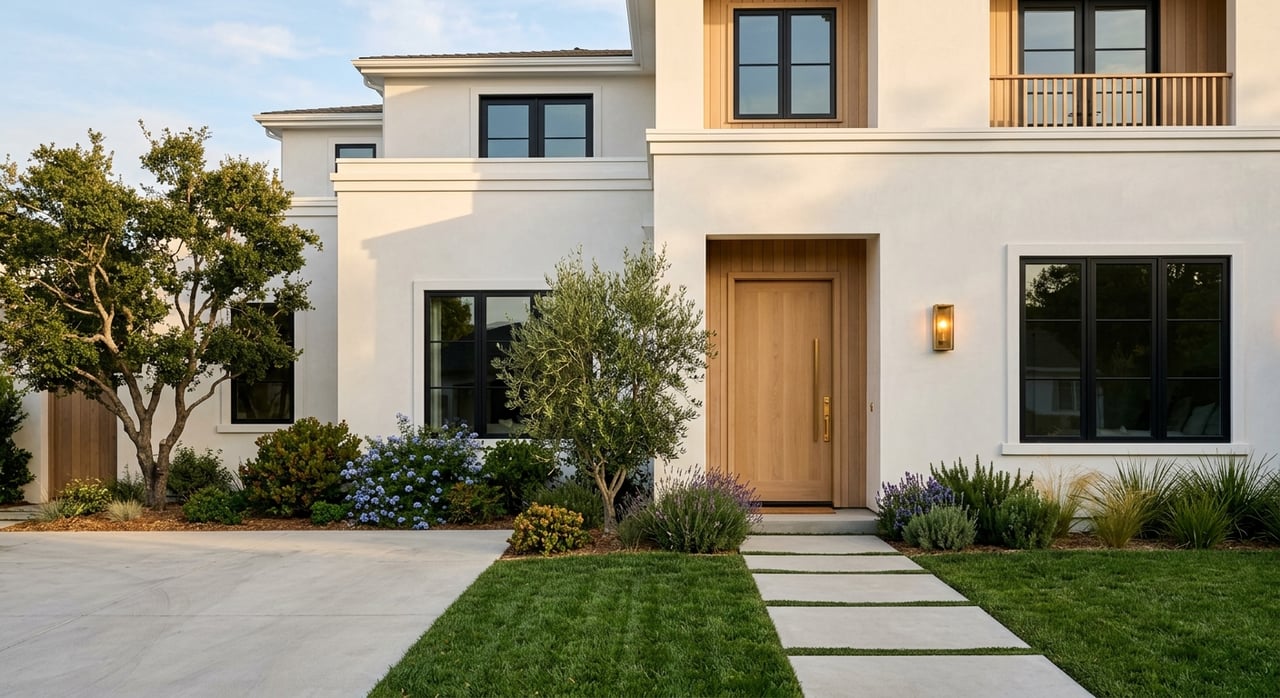
How to Sell a Pleasanton Home From the South Bay
Selling a Pleasanton home while you live in the South Bay can feel like a logistics puzzle. You want strong pricing, clean presentation, and a smooth timeline, but you may not want to drive back and forth for every repair, signature, and showing. The good news is that with the right plan, you can stay organized, protect your time, and keep your sale moving. Let’s dive in.
Pleasanton remains a market where preparation can make a real difference. In the three months ending May 2026, homes averaged 3 offers, sold in about 21 days, and had a median sale price of $1,494,106. Redfin also reported that 42.8% of homes sold above list price.
For you as a remote seller, that means a delayed or disorganized launch can cost momentum. If the home goes live before it is truly ready, you may miss the best first impression. When you are living in San Jose, Los Gatos, or another South Bay city, it helps to line up decisions before the listing hits the market.
When you are not nearby, the easiest mistake is treating each task as a separate project. In practice, listing prep works best when it follows one coordinated schedule. That includes cleaning, repairs, landscaping, staging, photos, disclosures, and showing access.
A remote sale usually runs more smoothly when one local point person helps manage the moving parts. That person can help approve vendor timing, keep access organized, and make sure the home is ready for each next step instead of bouncing from one unfinished task to another.
If you want to prioritize wisely, start with the items buyers notice right away. According to NAR’s 2025 staging report, 83% of buyers’ agents said staging made it easier for buyers to visualize the property as a future home. The same report found that 29% said staging increased the dollar value offered by 1% to 10%, and 49% of sellers’ agents said staging reduced time on market.
For many Pleasanton sellers living in the South Bay, the most practical order looks like this:
This approach helps you spend time and money where buyers are most likely to notice it. It also makes photo day more effective, which matters because online presentation shapes early interest.
Photo day should not feel like an afterthought. It is often the moment when all your prep either pays off or falls short. If you are managing the sale from another city, a clear checklist can prevent last-minute scrambling.
Before photos, make sure the house is fully cleaned, staging is complete, landscaping is tidy, and repair items are wrapped up. You want the property to look finished, not almost ready. In a market like Pleasanton, polished presentation helps your home enter the market with confidence.
Living outside Pleasanton does not mean you need to manage everything from your phone alone. What matters most is having local oversight for the operational side of the listing. That includes vendor scheduling, property access, repair follow-up, and showings.
This is where a Bay Area-wide team can help close the gap between where you live and where your home is located. Alford-Bon’s approach emphasizes hands-on listing preparation, including staging, contractor coordination, pre-listing repairs, and photo-day prep. For a South Bay homeowner selling in Pleasanton, that kind of support can reduce travel, speed up decisions, and keep the project on track.
If you are selling from San Jose, Campbell, Los Gatos, or nearby, local coordination may help with:
That kind of structure is especially helpful when your calendar is full or the property is vacant. It gives you one process instead of a dozen separate tasks.
California disclosure rules are especially important when you are selling from a distance. For a single-family property, the seller must deliver the completed written Transfer Disclosure Statement as soon as practicable before transfer of title, or before execution of the contract in a contract sale.
The timing matters because delayed disclosures can affect the buyer’s cancellation rights. If a required disclosure or a material amendment is delivered after the offer is signed, the buyer gets time to cancel. That period is 3 days after in-person delivery, 5 days after mailed delivery, or 5 days after electronic delivery when the parties agreed to conduct the transaction electronically.
For you, the takeaway is simple: review disclosures carefully and early. Even if your local agent is handling much of the process, you still want time to confirm accuracy before documents go out.
California’s Department of Real Estate explains that the Transfer Disclosure Statement describes condition and hazards. It is not a warranty, and it is not a substitute for inspections. The guide also notes that cities or counties can require local option transfer disclosure forms.
That means your disclosure package may involve more than one document depending on the property and location. If your Pleasanton parcel is in a mapped hazard zone, natural hazard disclosure rules can also apply. A remote seller should not assume the paperwork is routine just because signatures can be handled electronically.
Not every property has the same disclosure profile. Some parcels may trigger natural hazard disclosures based on mapped zones, and local jurisdictions can require additional forms. Because of that, your best move is to identify the needed disclosures early rather than waiting until you are already under contract.
This helps avoid last-minute amendments that could reopen cancellation windows. It also creates a smoother experience for buyers, which can support a cleaner transaction.
California’s Uniform Electronic Transactions Act supports the use of electronic records and signatures. A record or signature may not be denied legal effect solely because it is electronic. The law also says that an electronic record satisfies a writing requirement and an electronic signature satisfies a signature requirement.
For a South Bay seller listing a Pleasanton home, that is a major convenience. It allows many transaction steps to move forward without requiring you to drive across the Bay for routine paperwork. Still, convenience should not replace careful review.
Electronic signing can make remote selling much easier, but it works best when the parties have agreed to conduct the transaction electronically. It is also important to understand how electronic delivery affects deadlines, especially if disclosures are delivered after an offer is executed.
In that case, the buyer’s cancellation period can be 5 days after electronic delivery. So while e-signatures help with speed, timing and document review still matter.
Even when you have a strong local team, you still play an important role. California’s DRE disclosure guide says listing and selling brokers must conduct a reasonably competent visual inspection to disclose material facts affecting value, desirability, and intended use. That is an important safeguard.
But it does not remove your responsibility to review what is being disclosed about your property. If you know about repairs, defects, past issues, or updates, your input matters. A remote sale should feel supported, but never hands-off in a way that creates risk.
If you are listing your Pleasanton home while living elsewhere in the Bay Area, this checklist can help you stay ahead:
When these steps happen in the right order, the process usually feels more manageable. More importantly, your home reaches the market in a stronger position.
A remote listing does not just need marketing. It needs project management. If you are living in the South Bay while selling in Pleasanton, you will likely benefit most from a team that can coordinate prep, keep communication clear, and help move the home from planning to photos to market without extra friction.
That hands-on approach fits busy sellers who want convenience without losing control. If you want a calm, organized process with practical guidance at each step, working with a team that understands both South Bay clients and Bay Area logistics can make a meaningful difference.
If you are thinking about listing your Pleasanton home while living in San Jose, Los Gatos, or elsewhere in the South Bay, Tim Alford can help you create a clear prep plan, coordinate the details, and bring your home to market with less stress.
Stay up to date on the latest real estate trends.



Get assistance in determining current property value, crafting a competitive offer, writing and negotiating a contract, and much more. Contact me today.