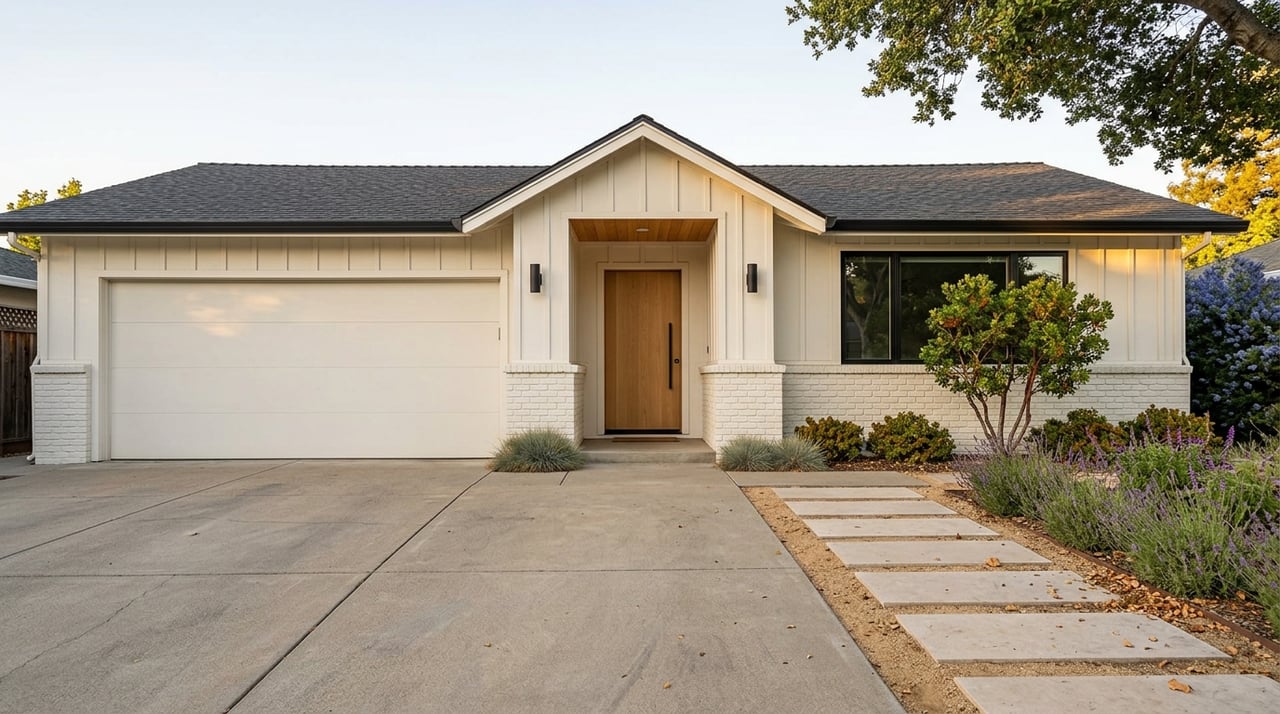
Comparing Fremont Neighborhoods for Silicon Valley Buyers
Trying to choose the right part of Fremont when you work in Silicon Valley? You are not alone. Fremont can look like one market on a map, but in practice it behaves like several different submarkets with very different tradeoffs in price, housing style, and commute feel. If you are comparing neighborhoods for lifestyle, rail access, or the type of home you want, this guide will help you narrow the field and focus your search. Let’s dive in.
Fremont is organized around five historic districts: Centerville, Niles, Irvington, Warm Springs, and Mission San Jose, with a newer City Center layered on top. According to the city’s planning documents, these areas vary by housing age, density, and how much attached housing sits near commercial and transit corridors.
That matters if you are moving within Silicon Valley or relocating for work. One part of Fremont may feel more suburban and car-oriented, while another offers newer attached housing close to rail. Citywide, the median listing price is about $1.35 million, the median sold price is about $1.525 million, and the median time to sell is about 26 days, so getting clear on your priorities early can save you time.
For most buyers, the Fremont decision comes down to three main questions:
Once you answer those, Fremont starts to make more sense. The neighborhoods below are best understood by the tradeoffs they offer, not just by price alone.
Mission San Jose is one of Fremont’s most distinct higher-end pockets. The city describes it as an area with a strong identity and architectural character, with homes that tend to be larger than in other parts of Fremont and many neighborhoods showing Mission- or Mediterranean-inspired design.
This area is generally more about views, lot size, curb appeal, and access to foothill open space than a transit-first lifestyle. Planning documents note relatively low densities, although some multifamily housing appears closer to Washington Boulevard and Mission Boulevard shopping areas.
Current market data puts the median listing price around $1.69 million, with the Mission Valley submarket higher at about $2.38 million. Nearby amenities include the historic mission church and museum, Mission San Jose Community Park, local shopping centers, and hiking-oriented open space near the hills.
Mission San Jose may be a strong fit if you want:
If your daily routine depends more on direct rail access than on neighborhood setting, other parts of Fremont may line up better.
Warm Springs, in South Fremont, is the city’s clearest transit-oriented growth area. The city describes it as a mix of manufacturing, mixed-use development, and workforce-oriented planning centered on the Warm Springs/South Fremont BART station within an 879-acre planning area between I-880 and I-680.
For buyers, this often means a more urban feel than much of Fremont, along with newer attached housing options and easier access to BART. Realtor.com data in the research report shows a median listing price around $789,500 and median rent around $2,300, which makes it notably lower on the listing side than many of Fremont’s established single-family neighborhoods.
Warm Springs also stands out for its concentration of jobs, coffee spots, and community amenities, including Warm Springs Community Center and Park. If your goal is to simplify a South Bay commute while keeping a newer-home feel, this is one of the first places to compare.
Warm Springs is often a match for buyers who want:
Irvington sits near the middle of Fremont’s housing story. City planning documents describe it as a mix of retail, offices, warehouses, single-family homes, and multifamily housing, with older homes on smaller lots and more housing variety along major corridors and near the town center.
For many buyers, Irvington feels like a practical compromise. It is more established than Warm Springs, less hillside-oriented than Mission San Jose, and more mixed in housing type than some of Fremont’s more suburban sections. Current market data places the median listing price around $1.25 million.
The district also has notable historic resources, including the Leal Theater, the Hiram Davis Home, and Odd Fellows Hall. The Irvington BART Station Area Plan is intended to connect the historic Five Corners area to the future station site, which gives this area added long-term transit relevance.
Irvington tends to appeal to buyers who want:
Centerville remains one of Fremont’s most useful comparison points because it blends older single-family neighborhoods with condos and apartments around the commercial core. The city notes that surrounding areas are mostly single-family detached homes, while apartments and condominiums cluster along major boulevards.
Current pricing in the research report shows Centerville at about $689,000 median listing price, while nearby Central-Downtown Fremont is closer to $999,000. That can make this part of the city worth a close look if you want a lower entry point than higher-priced areas such as Mission San Jose or Niles.
Centerville also has a meaningful rail story. The Fremont-Centerville station sits on the Capitol Corridor, includes ACE westbound service to San Jose, and offers AC Transit connections to Fremont BART and Union City BART. The city is also improving pedestrian and bike access for riders, which adds to the area’s practical appeal.
Centerville can make sense if you want:
Niles is Fremont’s clearest example of a historic small-town district. The city’s design guidelines describe housing that ranges from 1880s Victorian-era homes to bungalow styles from the 1910s through the 1930s, with Victorian cottages and Craftsman bungalows helping define the area’s residential fabric.
That older housing stock does not mean lower pricing. The research report places Niles around $1.6 million to $1.85 million, depending on source and timing, which puts it well above Centerville and many central Fremont areas.
What buyers are often responding to here is character. Niles Main Street, the Niles Depot Museum, the silent film museum, and Niles Community Park all reinforce a preserved historic identity that feels different from newer or more conventional suburban areas.
Niles may be your best fit if you value:
North Fremont and Ardenwood are strong options when your priority is a more suburban layout and easier access to the west side of the city. The city’s planning materials describe North Fremont as largely single-family, while Ardenwood was planned in part to capture high-tech spillover from across the Dumbarton Bridge.
This area is more car-oriented than BART-centered neighborhoods, but it offers a practical lifestyle for many buyers. Realtor.com data in the research report shows North Fremont around $1.18 million median listing price and Ardenwood around $1.15 million median sale price.
Open space and outdoor amenities are part of the appeal here. The city highlights Ardenwood Historic Farm, the Alameda Creek Trail, Coyote Hills, and Bay Trail connections as important local resources.
These areas may work well if you want:
If your workdays center on Silicon Valley, commute style matters almost as much as the house itself. Fremont’s strongest transit-oriented options are Warm Springs/South Fremont and Centerville.
Warm Springs stands out because it is anchored by the Warm Springs/South Fremont BART station in the city’s innovation district. Fremont also has a BART station at Fremont, and the regional system connects onward to Berryessa/North San Jose, where riders can connect to VTA bus service, including rapid service into Downtown San Jose and Diridon Station.
Centerville adds another rail option through Capitol Corridor and ACE westbound service to San Jose, plus AC Transit connections. If you drive more often, the main route story is I-880, I-680, and Auto Mall Parkway, with city-managed signal timing on major corridors such as Fremont Boulevard, Warm Springs Boulevard, Washington Boulevard, and Auto Mall Parkway.
If you are comparing Fremont neighborhoods from a Silicon Valley buyer’s perspective, here is a simple way to sort the options:
In other words, Fremont is not one simple buyer story. It is a collection of neighborhoods with different strengths, and the right fit depends on whether your first priority is commute, housing style, setting, or price point.
When you are weighing tradeoffs like transit access, older versus newer housing, or how a home’s condition may affect your offer strategy, experienced local guidance can make the process much clearer. If you want help comparing Fremont with other Silicon Valley options, connect with Tim Alford for practical, informed guidance tailored to your move.
Stay up to date on the latest real estate trends.
Get assistance in determining current property value, crafting a competitive offer, writing and negotiating a contract, and much more. Contact me today.